
The High "Cost" of Caring For Others

If you’ve been in pain for years, you might recognize this line: “I can’t afford it.” You say it to yourself—or even to someone trying to help—because it feels safe. But the truth? That phrase rarely has anything to do with the actual cost.
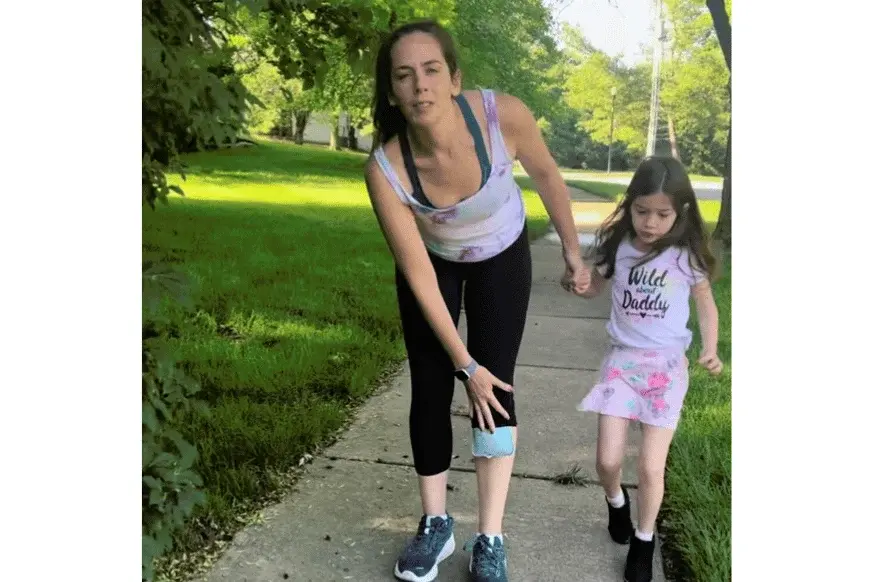
When a woman says "I can't afford it" regarding her knee pain, it is often a complex calculation that goes far beyond her bank balance. While women are statistically more likely to skip medical care due to cost compared to men, this statement often serves as a shorthand for deeper emotional and psychological barriers. For many women, the decision to invest in knee treatment is weighed against their perceived responsibilities to their families and their self-worth of putting themselve first.
The Caregiver's Guilt: Women often measure their health by how it impacts their ability to care for others. Investing time or money in their own recovery can feel like taking resources away from children, aging parents, pets, or even in some instances from home improvements, vacations and work responsibilities.
Function vs. Mobility: Research shows women endure pain for years, pushing through daily life, until even the simplest tasks—laundry, doing chores, taking a short stroll, or exercising—become unbearable. It’s only when the pain feels like it’s taking over their life that they finally consider knee surgery or other drastic measures.
Fear of "Wasting" Money: If a woman has been told she has "bone on bone" or osteoarthritis, she may feel that paying for another treatment alternative is a financial gamble with a low chance of a real solution. Hope feels dangerous when you’ve already been let down. You’re not just worried about spending money—you’re worried about investing your emotions, your trust, your energy… and then failing again. This is common for women living with chronic pain.
Listen to Sheila to hear what it sounds like when someone believes in hope
After years of discomfort, failed treatments, and frustration, it makes sense to hold back. It’s not weakness. It’s self-preservation. You’re protecting yourself from disappointment because you’ve been through enough. Saying “I can’t afford it” feels like a safe boundary, even if it keeps you from the relief you truly want.
The decision isn’t about money—it’s about risk and safety. Ask yourself:
Am I willing to risk hope to finally change my life?
Is staying the same really safer than trying something new?
Tackling knee, hip, or back pain goes beyond choosing the least expensive solution; it involves restoring a quality of life that significantly affects your emotional well-being, which also affects your family, co-workers and pets.
Recognizing that untreated pain can lead to isolation, depression, and long-term disability helps reframe spending money on yourself is as an essential investment rather than a luxury.
I’ve guided thousands of women in chronic pain through this exact moment. I see the hesitation, the fear, and the self-protection. And I’ve also seen what happens when they finally decide to try again—they experience relief, mobility, and confidence they didn’t believe was possible.
You don’t need to rush. You don’t need to force yourself. But if you’re ready to explore what’s possible for your knees, hips, or back, I’m here to guide.
You can schedule a healing chat using the Heal My Knees Booking Calendar.


Comments